

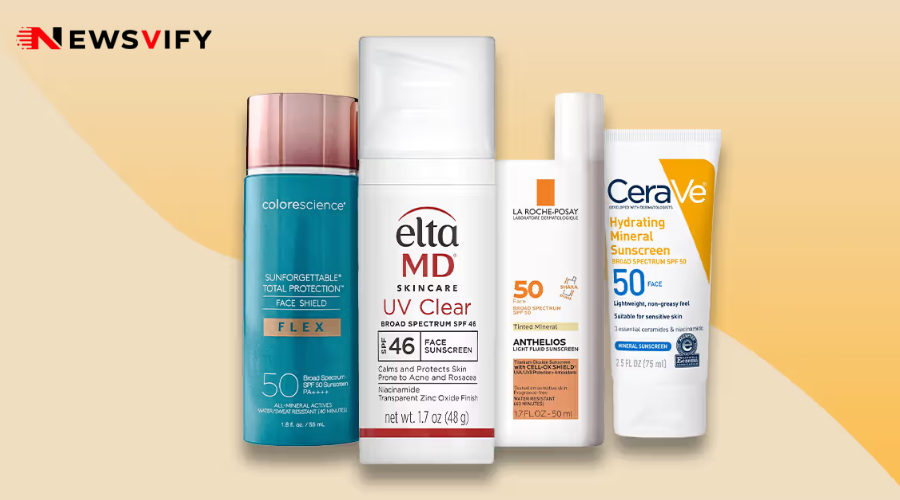
Sunscreen shopping gets more confusing every year — mineral versus chemical, SPF 30 versus SPF 50, and now an entire aisle dedicated to kids alone. If you’re trying to find the best sunscreen for kids before summer sports and pool season, or you just want a reliable best sunscreen for face pick for your own daily routine, here’s what actually matters when you’re standing in front of the shelf.
What to Look for in the Best Sunscreen for Kids
Children’s skin is thinner and more sensitive than adult skin, which is why dermatologists generally steer parents toward mineral formulas when shopping for the best sunscreen for kids. Zinc oxide and titanium dioxide sit on top of the skin and reflect UV rays, rather than absorbing into it the way many chemical sunscreens do.
- Broad-spectrum protection — confirms the product blocks both UVA and UVB rays, not just one.
- SPF 30 to 50 — the American Academy of Pediatrics generally recommends at least SPF 30 for children, with diminishing returns above SPF 50.
- Water resistance (40 or 80 minutes) — essential for pool days and beach trips, though reapplication after swimming is still necessary.
- Fragrance-free formulas — reduce the chance of irritation on sensitive young skin.
- Stick or spray formats — easier to apply to a squirming toddler than a lotion, though sprays should always be rubbed in by hand to ensure even coverage.
Best Sunscreen for Face: Daily Wear vs Active Outdoor Use
Adults have different priorities than kids’ sunscreen shoppers, which is why the best sunscreen for face use often looks completely different from a family beach-bag bottle. Daily face sunscreens are formulated to sit comfortably under makeup, avoid clogging pores, and blend invisibly — especially important for anyone with deeper skin tones who’s dealt with the chalky white cast common in older mineral formulas.
| Use Case | Ideal Format | Key Feature to Prioritize |
|---|---|---|
| Daily face wear under makeup | Lightweight lotion or gel | Non-comedogenic, matte or dewy finish |
| Active outdoor use (running, hiking) | Spray or stick | High water and sweat resistance |
| Sensitive or acne-prone skin | Mineral (zinc oxide) formula | Fragrance-free, non-comedogenic |
| Kids at the pool or beach | Lotion or stick, mineral-based | Water resistance, easy reapplication |
SPF Basics Worth Remembering
Whether you’re shopping for the best sunscreen for kids or the best sunscreen for face use, a few fundamentals apply across every product on the shelf.
- SPF measures protection against UVB rays specifically; “broad-spectrum” labeling is what confirms UVA coverage too.
- Most people apply far less sunscreen than the amount used in official SPF testing, which is one reason real-world protection often falls short of the number on the bottle.
- Reapplication every two hours — and immediately after swimming or heavy sweating — matters more than chasing an ever-higher SPF number.
- Sunscreen is one part of sun safety; shade, hats, and UV-protective clothing all reduce the total sunscreen burden needed.
Sun Safety for Bigger Outdoor Plans
If sunscreen shopping is part of planning a longer outdoor trip, pack accordingly — hikers heading to any of the best US national parks this year should budget for more frequent reapplication at higher elevations, where UV exposure is stronger than it is at sea level. The same goes for anyone planning a stretch at one of the country’s digital detox retreats, where extended time outdoors without a phone in hand also means less of a built-in reminder to reapply.
For more on staying ahead of seasonal health concerns beyond sun exposure, see our latest coverage of the bird flu H5N1 update for the USA.
Conclusion
The right sunscreen depends on who’s wearing it and how it will be used — a fragrance-free mineral formula for the best sunscreen for kids at the pool, and a lightweight, non-comedogenic option for the best sunscreen for face use under makeup or alone. Get the basics right — broad-spectrum coverage, adequate SPF, and consistent reapplication — and the specific brand matters far less than sticking with the habit.


