

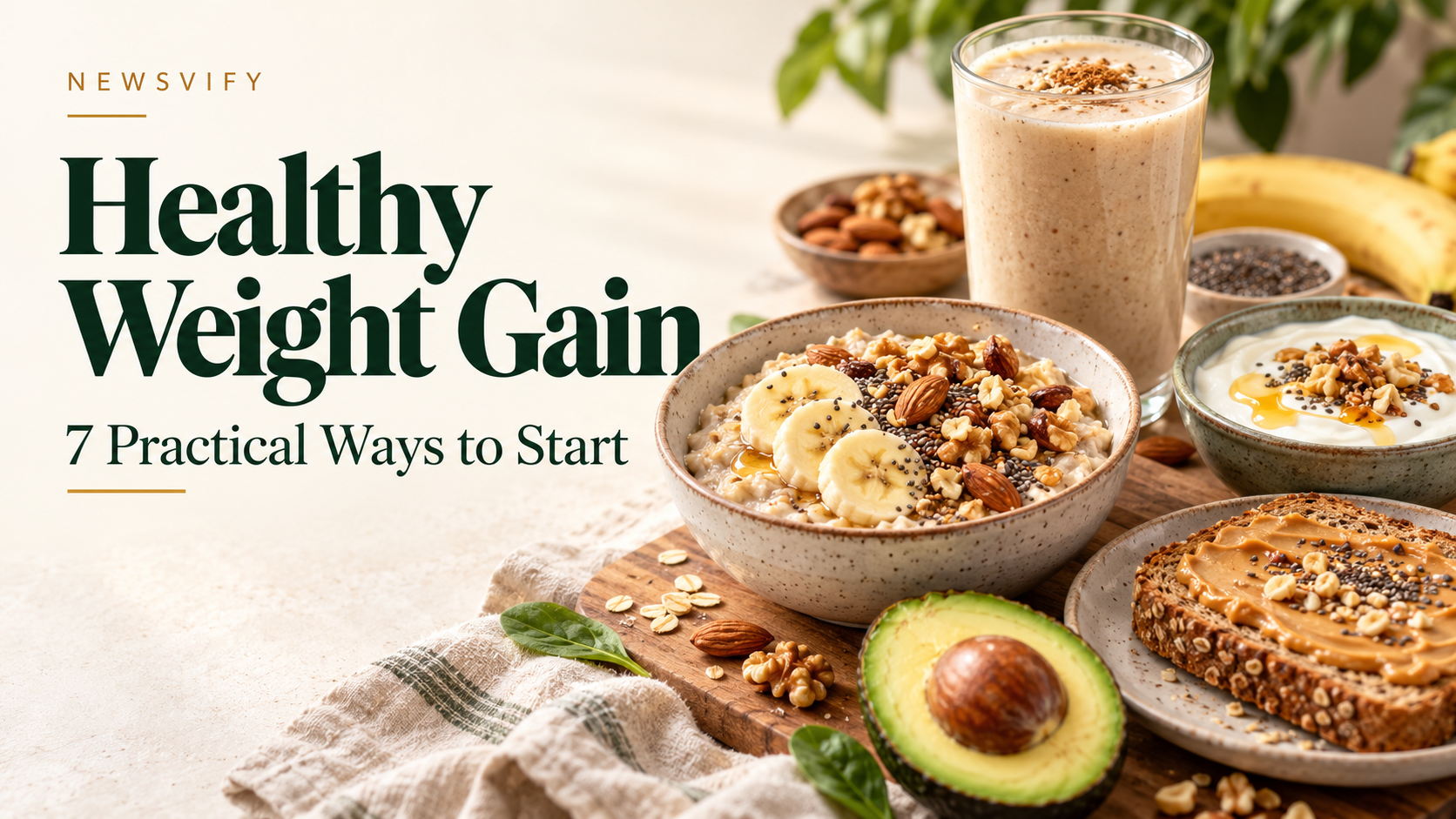
If you’re searching for the “fastest ways to get fat”, you may mean you want to gain weight. A practical starting point is to eat more nutritious calories consistently and include strength training. The right approach depends on your health, appetite, activity level, and reason for gaining weight—not a promise to add a certain number of pounds in a week.
This guide focuses on adults seeking intentional weight gain. If you have been losing weight without trying, speak with a healthcare professional before treating it simply as a need to eat more. Mayo Clinic recommends understanding the cause and developing a plan around your needs.
Can You Gain Weight Fast and Stay Healthy?
Gaining weight and gaining body fat are not identical goals. Strength training can support muscle gain, while a sudden increase on the scale can sometimes reflect fluid retention. The scale alone does not tell you what changed.
For intentional weight gain, Cleveland Clinic recommends an individualised approach that considers your activity, health, and nutritional goals. Eating more can help, but a larger calorie surplus is not automatically a better plan.
7 Practical Ways to Gain Weight
1. Start With a Manageable Calorie Increase
A calorie surplus means consuming more energy than your body uses. Cleveland Clinic describes adding approximately 300–500 calories a day as a possible starting point, while noting that individual needs can be higher or lower.
Hypothetical example: If an adult maintains their weight at 2,000 calories a day, adding 300 calories would bring their intake to 2,300. This illustrates the calculation; it is not a personal recommendation or a prediction of weekly weight gain.
2. Add Calories to Meals You Already Eat
You may find it easier to enrich familiar meals than to eat much larger portions. Mayo Clinic suggests additions such as nut butter, cheese, or milk.
| Usual meal or snack | Possible addition |
| Toast | Nut butter, if suitable for your allergies and preferences |
| Oatmeal | Milk and chopped nuts |
| Sandwich | Avocado or cheese |
| Rice or pasta bowl | Olive oil and a protein-containing topping |
| Yogurt | Nuts, seeds, or dried fruit |
These are meal-building ideas, not standardized calorie portions. Check product labels and the amount you actually use. Cleveland Clinic includes nuts, avocado, olives, cheese, and dried fruit among options for increasing calorie intake.
3. Use Smaller Meals and Planned Snacks
If large meals feel overwhelming, try smaller meals with snacks between them. The NHS recommends this approach for gradual weight gain. Keep something convenient available, such as yogurt, rather than depending on time to prepare another full meal.
4. Try Nourishing Drinks Between Meals
A smoothie can offer another way to add food when eating more feels difficult. For example, blend milk or a suitable alternative with fruit and nut butter. If drinks leave you too full for meals, change their timing while continuing to stay hydrated.
5. Include Protein Alongside Carbohydrates and Fats
Build meals from several food groups instead of concentrating on one nutrient. The NHS recommends protein sources such as beans, eggs, fish, and lean meat alongside starchy foods, produce, and dairy or alternatives. Avoid relying mainly on cakes, candy, or sugary drinks to increase your intake.
6. Include Strength Training
Exercise can be part of a weight-gain plan. Mayo Clinic notes that strength training helps build muscle and that exercise may also improve appetite. Choose activities appropriate for your abilities and health.
For related reading on walking and energy balance, see Walking 10,000 Steps a Day: Does It Help You Lose Weight? That article discusses weight loss rather than a weight-gain program.
7. Track Progress and Adjust Gradually
Keep a simple record of your meals, appetite, and weight measurements so you can discuss progress with your care team. If you are not gaining as expected—or are losing weight—Cleveland Clinic recommends contacting your provider to reassess the plan.
What Could Extra Calories Look Like in a Day?
You do not have to redesign every meal at once. Choose one addition, see how it fits your routine, and build from there.
Hypothetical planning example: Suppose the portions you select provide 100 additional calories at breakfast, 150 in an afternoon snack, and 100 at dinner. Together, those changes add 350 calories. Use the actual labels or recipe calculations for your choices; these numbers are illustrative, not calorie estimates for the foods listed above.
Why Might You Struggle to Gain Weight?
Use the following questions to prepare for a discussion with a registered dietitian or healthcare professional. They are prompts for reviewing your routine, not a way to diagnose the cause.
| What you notice | What to review |
| You regularly miss meals. | Which time of day needs a more convenient food option? |
| You feel full quickly. | Would smaller meals or different drink timings be easier? |
| Your routine changes frequently. | Are meal opportunities different on weekdays and weekends? |
| Your weight keeps falling. | Arrange medical evaluation rather than repeatedly increasing your target on your own. |
When Should You Talk With a Healthcare Professional?
Seek advice if you lose weight unexpectedly or struggle to gain despite following your plan. A clinician can assess possible underlying problems, while a registered dietitian can help tailor meals to your needs.
Unexplained rapid gain also deserves attention. MedlinePlus notes that fluid buildup can increase weight and recommends contacting a provider when weight gain accompanies symptoms such as swollen feet, shortness of breath, or other unexplained changes. Do not stop a medication because you suspect it affects your weight without consulting your prescriber.
Frequently Asked Questions
Can I Gain Meaningful Weight in One Week?
There is no reliable one-week promise for everyone. Individual responses vary, and a rapid scale increase can include fluid rather than the tissue gain you intended. Discuss an appropriate pace with your provider.
Can I Gain Weight Without Protein Powder?
Yes. A plan can use ordinary foods, including beans, eggs, fish, and dairy. Protein powder is not a required part of the NHS’s general weight-gain advice.
What If I Feel Full Too Quickly?
Try smaller meals and snacks, and avoid filling up on drinks immediately before eating. Persistent difficulty eating enough warrants professional advice.
Can Vegetarians Gain Weight?
Yes. Vegetarian choices such as beans, nuts, seeds, and dairy or suitable alternatives can form part of a balanced weight-gain plan. Portions and overall intake still matter.
Should I Stop Walking to Gain Weight?
Gaining weight does not automatically require stopping exercise. Review your intake and activity together, and include suitable strength training when muscle gain is a goal.


