



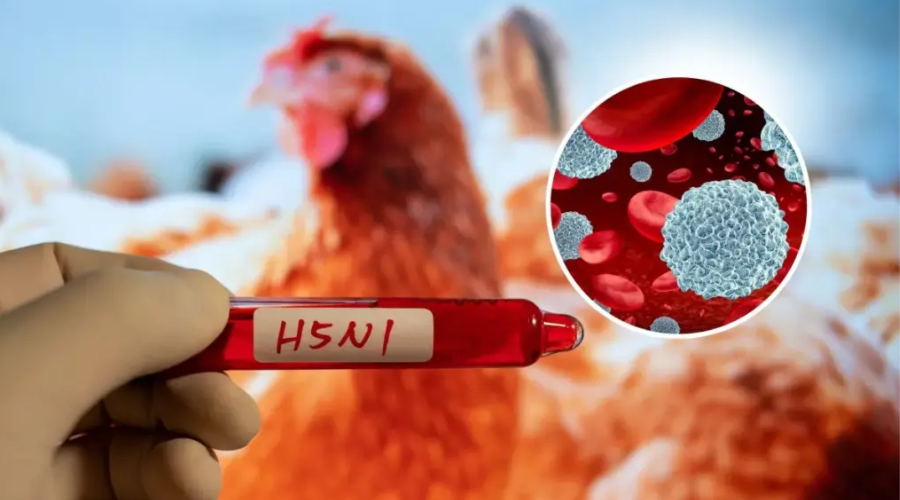
Bird blue is back in 2026 and making headlines all over the US; with Americans thinking if they need to be concerned about another widespread outbreak. The bird flu is a virus that infects birds, poultry and dairy cattle but the government officials have said that only those with direct animal exposure might be at risk and not the general public.
However, since 2024 there have been around 71 H5N1 human cases in the US in 2026 with most of them being hospitalized and very few of them dying due to it. The bird flu H5N1 in the US in 2026 does confirm that people need to stay more vigilant about their dairy and meat intake.
What is the H5N1 Bird Flu?
The H5N1 bird blue is a highly pathogenic avian influenza virus that majorly infects birds. Since 2024, the virus has been spreading throughout the US and especially in dairy cattle, birds, and some other mammals.
Even though it is not as severe as the COVID-19 outbreak, the spread of the bird flu is impactful and affects your everyday milk, cheese, meat and other food items. Moreover, it is also necessary to keep your pets away from raw food just to ensure that they do not become a carrier.
The main thing that the Americans are worried about is this influenza virus mutating over time and becoming just as bad as an epidemic.
The Latest Bird Flu H5N1 Updates in the US
The current bird flu outbreak updates show that the virus is continuing to spread amongst poultry, animal populations and very few humans as well.
According to reports from the U.S. Centers for Disease Control and Prevention (CDC),
- Human infections have mostly happened only because they had direct exposure to the infected poultry and dairy cattle.
- As far as these reports go, there has not been any unusual or alarming influenza activity amongst the general population.
- For now, it is also not spreading human-to-human.
- There are a lot of public agencies that are consistently working on monitoring all these new cases and their updates.
How many human cases have been reported yet?
The avian flu’s risk of 2026 shows that there have been reports of human cases especially since 2024. The CDC recently spoke about how most of these humans had direct occupational exposure to infected cattle and poultry but it has not become any widespread epidemic or community transmission.
Among those 71 humans, the bird flu H5N1 in the US in 2026 has not impacted anyone else. Only a few of them had severe illnesses leading in deaths but the symptoms for the majority of them have been mild and treatable.
The main people under a microscope now are farm workers, veterinarians and anyone else who has the possibility of interacting with infested animals.
Is it safe to eat chicken, eggs and dairy products then?
For most of the consumers – yes.
In fact, all over the U.S, people have not stopped eating meat or consuming dairy all of a sudden.
What matters the most however is if the food prepared is done the right way.
Some major recommendations also include:
- Cooking poultry to an internal temperature of at least 165°F (74°C).
- Avoid consuming raw or undercooked eggs
- Drink only pasteurized milk and dairy products
- Prevent any cross contamination during food prep
Pasteurisation basically kills the influenza virus in milk so if you buy pasteurized milk – it is better and much safer instead of raw milk.
Who is the most at risk?
As we have mentioned, it has not mutated to the point of being contagious from just human-to-human contact so the general public is comparatively much safer.
It is risky for those who have direct and very frequent animal contact, like:
- Poultry farm workers
- Dairy farm employees
- Veterinarians
- Wildlife rehabilitators
- Animal control personnel
- People handling sick or dead wild birds
For all the average American who has no animal exposure the avian flu risk of 2026 is low and not something to worry about too much.
What are the symptoms?
Symptoms can vary from mild to severe and it does depend on a lot of factors like age, past illnesses and immunity.
Some common symptoms are:
- Fever
- Cough
- Sore throat
- Muscle ache
- Fatigue
- Eye redness or conjunctivitis
- Shortness of breath in a lot of serious cases
Anyone who develops flu-like symptoms after coming into close contact with infested livestock should not delay going to the doctor because it can increase the intensity of the symptoms.
What is the government doing?
The federal and state agencies are actively responding and executing the safest ways of reducing the Bird Flu H5N1 in the US in 2026. The current efforts by the government include:
- Testing poultry and livestock at a large scale
- Monitoring exposed farm workers
- Genetic sequencing of virus samples to find better cures if it mutates
- Coordinating with state health departments
- Preparing vaccines and antiviral response plans if needed
How to protect yourself?
According to the bird flu outbreak updates, most people just need to change certain basic things in their routine if they have not already:
- Just ensure you do not touch any dead wild birds or animals
- Keep pets away from dead wildlife
- Wash hands after handling animals
- Follow all the food safety equipment if working with poultry
All the necessary experts are monitoring H5N1 closely because they want to get ahead of it and be ready in case the virus mutates. As the general public, you can help them by maintaining the right safety regulations and following their recommendations.


