



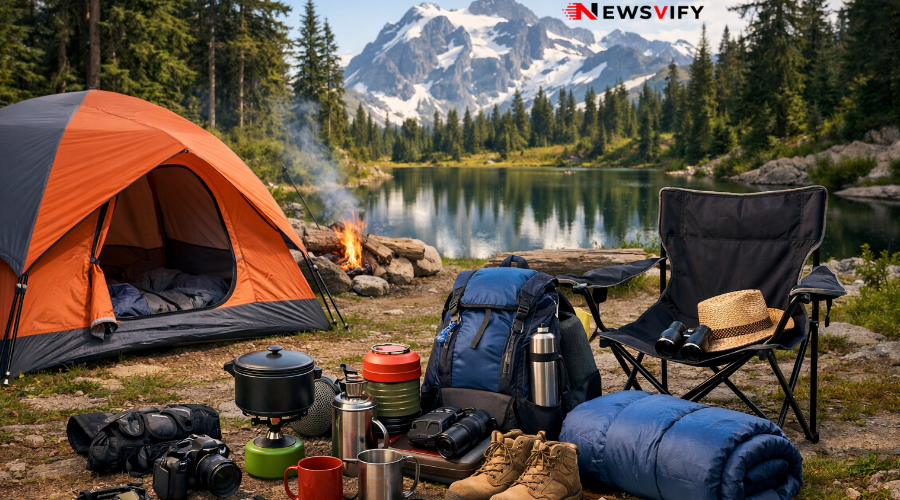
More Americans are heading outdoors than in years past, and a good chunk of them are figuring out how to camp for the very first time. The good news: you don’t need a garage full of specialized gear to have a comfortable first trip. You need a handful of the right basics, a realistic plan, and a little patience for the learning curve that comes with sleeping outside.
How to Camp: The Core Gear You Actually Need
Every guide on how to camp starts in a different place, but the essentials rarely change. Before worrying about extras, make sure these categories are covered.
| Category | What to Bring | Beginner Tip |
|---|---|---|
| Shelter | Tent rated for the season, groundsheet | Practice setting it up at home first |
| Sleep system | Sleeping bag, pad or air mattress | Match the bag’s temperature rating to the coldest night expected |
| Food & water | Cooler, stove, water filter or bottles | Pack more water than feels necessary |
| Lighting | Headlamp, lantern, backup batteries | Bring at least two light sources |
Why a Yeti Cooler Is Worth the Splurge for New Campers
Food safety is one of the most overlooked parts of learning how to camp, and it’s exactly where a yeti cooler earns its reputation. Unlike a basic foam cooler that loses ice within a day, a rotomolded cooler like a yeti cooler can keep food safely cold for several days even in warm weather, which matters most on longer trips without easy access to fresh ice.
- Thick insulated walls are what separate a yeti cooler from a standard budget cooler, not just the exterior branding.
- A properly sized cooler matters more than raw capacity — oversized coolers waste ice cooling empty air.
- Pre-chilling the cooler before loading it with food and ice significantly extends how long everything stays cold.
- Packing ice-to-food ratio at roughly 2:1 is a reliable rule of thumb for multi-day trips.
When a Generator Actually Makes Sense
Not every camping trip needs a generator, and bringing one to a quiet tent-camping site can be more disruptive than helpful. That said, a generator becomes genuinely useful in a few specific situations.
- RV or car camping with appliances that need consistent power benefits most from a generator.
- Medical equipment that requires reliable power is a legitimate reason to bring backup power regardless of campsite etiquette.
- Extended trips charging phones, cameras, or a CPAP are common reasons campers eventually invest in a small, quiet generator.
- Check campground rules first — many tent-only sites restrict or ban generators entirely, especially during quiet hours.
For most first-time backpackers or tent campers, a portable power bank covers basic charging needs without the noise, weight, or fuel logistics of a generator.
Choosing Where to Camp
Once the gear list is sorted, the next decision is where to actually go. Several of the best US national parks offer beginner-friendly campgrounds with running water and marked trails, which is a far easier entry point than a fully remote backcountry site for a first trip.
Camping is also one of the more effective ways to actually disconnect for a stretch, similar in spirit to the appeal behind the country’s growing list of digital detox retreats — except with a tent and a campfire instead of a scheduled program.
Gear for a first trip adds up fast, so it’s worth checking whether one of the best cash back credit cards on the market offers a bonus category for outdoor or sporting goods purchases before you stock up.
Conclusion
Learning how to camp doesn’t require expensive gear or wilderness expertise on day one — a solid tent, a reliable cooler, and a realistic plan cover most of what a first trip needs. Add a yeti cooler if food safety on longer trips matters to you, and only bring a generator if your specific setup actually requires it. The rest comes with experience.




