



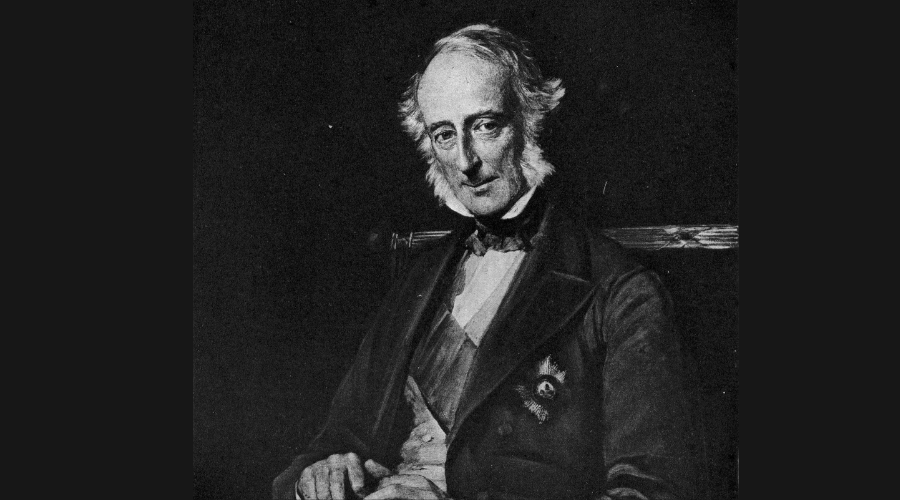
History often remembers wars, revolts, and rulers—but quietly forgets the letters, appeals, and negotiations that shaped empires behind closed doors. One such overlooked episode is the Mysore Prince’s appeal to England, addressed during the tenure of Sir Charles Wood, a powerful decision-maker in 19th-century British administration.
This moment was not merely about governance—it was about dignity, sovereignty, and a princely state’s attempt to be heard within the machinery of the British Empire. Today, the story of the Sir Charles Wood Mysore Prince Appeal offers deep insight into colonial power dynamics and India’s constitutional struggles under British rule.
Who Was Sir Charles Wood?
Sir Charles Wood was one of the most influential British statesmen of his era. As a senior policymaker involved in Indian affairs, his decisions shaped education, administration, and princely relations across colonial India.
For Indian rulers, communication with figures like Wood was not optional—it was the only diplomatic route to protect autonomy, challenge unfair policies, or seek justice from London itself.
The Mysore Prince’s Appeal: What Was at Stake?
The Mysore Prince’s appeal to England arose from growing tensions between princely states and the British Crown. Mysore, a strategically important and culturally rich kingdom, faced increasing interference in its internal governance.
The appeal highlighted:
- Concerns over British administrative overreach
- Demands for respect of treaty rights
- Resistance to erosion of royal authority
- A plea for fairness under British constitutional principles
The Sir Charles Wood Mysore Prince Appeal symbolized hope—that reasoned argument and legal framing could still influence imperial power.
Why Appeal Directly to England?
By the mid-1800s, real authority no longer rested in India alone. Final decisions were made in England, often by officials far removed from ground realities.
For the Mysore Prince, appealing to Sir Charles Wood meant:
- Bypassing colonial intermediaries
- Seeking justice at the highest imperial level
- Framing the issue as a matter of law, not rebellion
This strategic move reflects how Indian rulers adapted diplomacy rather than confrontation.
British Response and Political Reality
While appeals like these were acknowledged, outcomes were often limited. British authorities prioritized imperial stability and revenue over princely autonomy.
In many cases:
- Responses were delayed or bureaucratic
- Partial concessions replaced real reform
- Power remained firmly centralized
Still, the Sir Charles Wood Mysore Prince Appeal mattered—it entered official records and influenced later constitutional debates on princely rights.
Emotional Undercurrent: A Voice Seeking Dignity
Beyond politics, this appeal carried emotion. It was a ruler speaking not just for himself, but for his people—trying to preserve identity, governance, and respect under a foreign empire.
This human element is why the story still resonates. It reminds us that colonial history is not just about domination, but about voices striving to be heard.
Lifestyle & Leadership Lessons from History
Though historical, this episode offers timeless insights:
- Dialogue over conflict can shape outcomes
- Documentation and legal reasoning are powerful tools
- Leadership means representing people, not just authority
- Systems may resist change—but voices still matter
Professional & Academic Perspectives
Historians and political scholars view the Sir Charles Wood Mysore Prince Appeal as:
- An early form of constitutional resistance
- A precursor to later Indian nationalist arguments
- Evidence of evolving political consciousness among princely states
Such appeals influenced how Britain later approached governance reforms in India.
Conclusion
The story of Sir Charles Wood and the Mysore Prince’s appeal to England is more than a historical footnote—it is a reminder that resistance does not always roar. Sometimes, it writes, reasons, and waits.
The Sir Charles Wood Mysore Prince Appeal stands as a symbol of diplomatic courage in an age of imbalance, reflecting India’s long journey toward self-representation and justice.
Frequently Asked Questions (FAQs)
Q1. What was the Mysore Prince appealing for?
He sought protection of Mysore’s rights and autonomy against British administrative interference.
Q2. Why was Sir Charles Wood important in this appeal?
As a senior British policymaker, he had influence over Indian governance decisions made in England.
Q3. Did the appeal succeed?
It brought attention to Mysore’s concerns but resulted in limited practical change.
Q4. Why is this event historically significant?
It shows how Indian rulers used constitutional and diplomatic methods to challenge colonial authority.
Q5. What does this teach modern readers?
That lawful resistance, documentation, and dialogue can shape long-term political narratives—even if immediate results are limited.


