



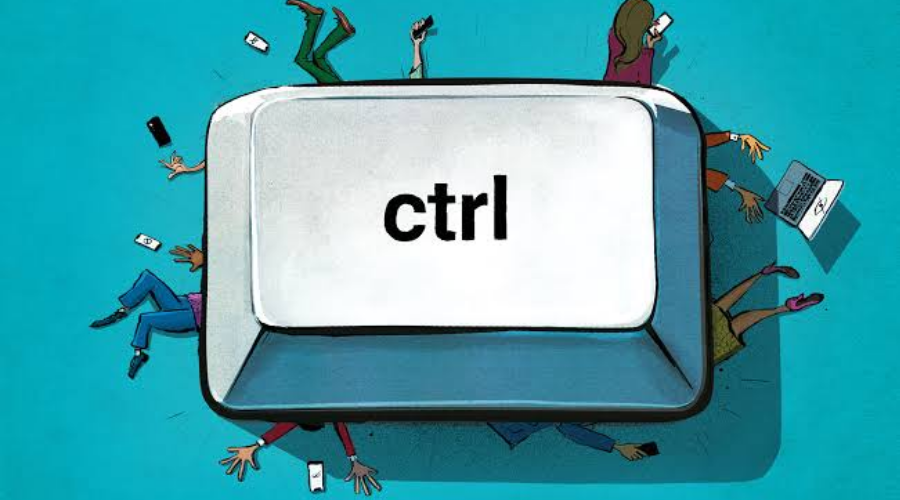
The UK Online Safety Act of 2026 is now reshaping how social media platforms, search engineers, messaging services and even online communities such as those seen on Telegram, operate within the United Kingdom.
Even though the UK Online Safety Act of 2026 came into effect as a law in 2023, most of its key duties were rolled out gradually with Ofcom introducing and enforcing new requirements throughout 2025 and 2026.
What is the UK Online Safety Act of 2026?
The UK Online Safety Act of 2026 is a law that has been designed to make digital platforms safer by requiring companies to identify and reduce the risk of illegal and harmful content.
For social media users, especially for minors, this law ensures that online spaces are responsible, safe and tech companies do their jobs of upholding all these rules, including consistently removing illegal content.
UK’s internet law of 2026 basically applied to multiple online services such as:
- Social media platforms
- Video sharing websites
- Search engines
- Online forums
- Messaging services
- User generated content platforms
Who Enforces the Law?
UK Online Safety Act of 2026 is enforced by United Kingdom’s communications regulator, Ofcom, which will be responsible for this Online Safety Act.
Ofcom can:
- Require platforms or apps to assess online risks anytime
- Investigate companies
- Issue enforcement notices
- Impose substantial financial penalties for non-compliance
- Seek court orders that could restrict access to services in the UK
Key Online Safety Act Rules of 2026
Some of the biggest and most important requirements are now enforced by Ofcom:
Platforms Must Remove ALL Illegal Content Faster
The all new UK Online Safety Act of 2026 mentions that all companies and platforms need to reduce the speed of illegal content being uploaded.
They need to have systems which can identify these risks and respond quickly especially when it about content on topics like:
- Terrorism
- Child sexual abuse
- Fraud and scans
- Illegal drugs
- Incitement to violence
Stronger Protection for Children
Ofcom’s social media rules state clearly that one of the biggest priorities of the UK Online Safety Act of 2026 is to protect the children of the nation.
Any platform which can be assessed by a child needs to ensure that there are measures such as:
- Safer default settings
- Reducing recommendations of harmful content
- Better reporting tools
- Age appropriate design
- Effective age assurance wherever required
More And Better Age Verification
UK’s internet law of 2026 states that whichever websites host adult or age-restricted content now need to use a stronger and better age assurance technology.
These can also include:
- Identity document verification
- Facial age estimation
- Third party age verification services
Greater Transparency
UK Online Safety Act of 2026’s main aims have always been to increase transparency between companies and the government and companies and the families.
Online platforms will now need to explain:
- How they moderate content
- Their safety policies
- How users can report harmful material
- How the steps can be taken to reduce online risks
What Does This Mean for Social Media Users?
Most of the social media users will see changes in several areas when it comes to the UK Online Safety Act of 2026.
Safer feeds:
- Platforms will now be forced to remove illegal content quickly.
- They will also reduce recommendations of harmful materials especially to younger children.
Ṁore content moderation:
- Some posts will also be removed as soon as possible if they violate any of the rules of the UK Online Safety Act of 2026.
Additional age checks
- Users will now need to verify their age through documents whenever they access certain content.
Improved reporting tools
- The online safety act rules of 2026 will also make reporting harmful content easier now.
- The complaint process will become more clear and efficient actions will be taken quicker.
Does the UK Online Safety Act of 2026 Affect Privacy?
Ofcom’s social media regulation and how it will ensure that privacy is still maintained has been one of the most debated aspects of the legislation.
The government has stated that any requirements which affect private communication – such as detecting child sexual abuse material or content – would be implemented only when the technology exists that can achieve this without undermining user privacy.
How Are Social Media Companies Responding?
Major platforms have introduced and expanded multiple different measures such as:
- Improved age verification
- Enhanced parental controls
- Updated community guidelines
- Stronger content moderation systems
- Additional safety reporting features
Companies are also investing heavily in automated detection tools for this very reason, so they are better able to comply with Ofcom’s social media regulations.
Recent 2026 Developments in the UK Online Safety Act of 2026
The implementation of the UK Online Safety Act of 2026 has been happening throughout 2025 and 2026.
Some of the biggest developments when it comes to UK’s internet law of 2026 include:
- Ofcom issuing an updated guidance on child safety and age assurance
- New reporting obligations for child sexual abuse content on all regulated services and their takedown
- Increased regulatory scrutiny of the platforms if they fail to comply to the online safety act’s rules in 2026
Criticism of the UK Online Safety Act of 2026
The legislation has also generated debate from different perspectives.
The supporters of the UK Online Safety Act of 2026, say:
- It will improve child safety
- It will reduce illegal online activity
- It will increase platform accountability and encourage safer environments
However, the critics have raised concerns about:
- Freedom of expression
- Privacy implications
- Age verification requirements
- Compliance costs for smaller platforms
- Practical challenges of enforcing the rules consistently
The UK Online Safety Act of 2026 is one of the most significant and large reforms of digital regulation in the UK. With the help of online safety act rules of 2026, the UK aims to establish a safer and more protected environment for everyone on social media.




