



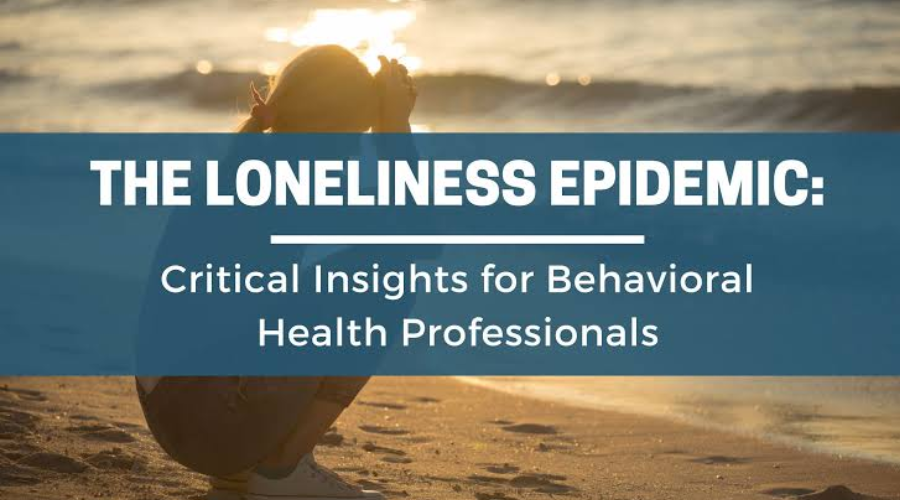
As the world becomes more advanced and technologically equipped, it is also forcing human beings, a natural social creature, to not want to socialise. With OTT platforms to watch “comfort shows” in, social media to make you question “what am I even doing with my life?” and patience reducing because of instant gratification high – the Loneliness epidemic has risen.
Even though we are all connected through phones and social media – when was the last time you genuinely and consistently kept up with your friends and family without it feeling like a pressure?
This builds into what we call the loneliness epidemic in the US in 2026.
What is the Loneliness Epidemic?
It is not about people spending time alone – something that is important to build self-confidence.
It is that distressing feeling that your social relationships are not meeting your emotional needs, whatever they may be. A consistent feeling like that can cause emotional overwhelm, isolation and well, loneliness.
This issue gained national attention when the U.S. Surgeon General declared loneliness and social isolation a public health epidemic and warned that chronic loneliness is just as harmful as smoking 15 cigarettes a day.
Ever since this announcement, the US loneliness crisis of 2026 is viewed as a serious emotional condition which can have dire effects on the physical and mental well-being of people.
Social isolation is related to the same, but less intense and slightly different. The Surgeon General’s advisory estimated that almost one in two American adults experience measurable loneliness.
Why did the Surgeon General issue a warning?
The Surgeon General’s advisory spoke about how the US is observing a shift towards loneliness and how the world views them. It is no longer just a subjective feeling but has become a nationwide public health challenge that needs immediate medical solutions.
According to them, strong social relationships are just as important, if not more, as a healthy diet, exercising regularly, getting good sleep and avoiding tobacco use. We are naturally social beings who need healthy interactions around them – so the lack thereof, has been an acting factor in depression, anxiety and in the loneliness epidemic in the US in 2026.
This warning has helped the healthcare providers be more active and educators, policymakers and communities to be more caring and observant of these symptoms.
Why is the US loneliness crisis of 2026 growing?
Multiple long-term societal changes have also contributed to this epidemic turning into a health scare
Increase in digital communication
Social media helps people to stay connected but at the end of the day, it replaces physical, face-to-face conversations.
Another thing to note is – when we text someone on instagram, we rarely just do that. We scroll, spend time on reels, watch other’s reels and meaningful interaction is thus reduced.
Busy lifestyles
Many Americans are currently juggling multiple careers, financial pressures, caregiving responsibilities and household obligations on a daily basis. They just do not have that energy left to socialise.
These commitments also become a factor in the loneliness epidemic in the US in 2026.
Remote and Hybrid Work
After COVID-19 most companies just maintained either a remote working environment or a hybrid one. While that is convenient and easy to manage, it does reduce the whole point of going to the office and socializing, holding meetings and hosting events with inter-departmental participation.
Decline in community participation
There was a time when neighbourhood participation was at an all time high back in the 1990s in the US. Now, volunteer groups, religious events, neighbourhood events and community clubs have declined so much that most people barely talk to their neighbours.
Social Isolation’s Health Effects:
One reason why these health experts take loneliness so seriously is because the social isolation health effects can be chronic, physical and serious.
Researches done by multiple people studying the loneliness epidemic in the US in 2026 have seen that chronic loneliness can increase the risk of:
- Heart disease
- High blood pressure
- Stroke
- Type 2 diabetes
- Weakened immunity and immune system
- Depression
- Anxiety
- Dementia
- Premature death if prolonged
- Suicide risk
The body increases its stress response whenever it gets activated which happens a lot in chronic loneliness cases.
How is Mental health connected to Loneliness?
Mental health and loneliness are almost always spoken together because they reinforce one another. People who are lonely will reduce all social interactions, believe they are unwanted and unworthy or just disappear.
Over time, such feelings can turn into suicidal ideation, depression and anxiety. They also find it harder to maintain a relationship romantically.
Who is the most affected?
The loneliness epidemic in the US in 2026 affects some groups slightly more than others, according to the Surgeon General’s loneliness advisory:
Young adults
Young adults are facing the most amount of social media comparisons, financial pressure, job security and frequent relocation – all of which act as factors in the loneliness epidemic in the US in 2026.
Older adults
Retirements, empty nest syndromes, declining health, loss of loved ones and reduced mobility all impact the overall mental and emotional health of senior citizens.
Remote workers
People who have remote work and no social life, will get impacted just as much because of a lack of socialization or creation of meaningful connections.
Caregivers
The caregiver burden is real. Caring for someone can make it tougher to have a social life with people around you.
How to fight this?
In order to fight the loneliness epidemic in the US in 2026, ensure:
- You prioritize quality over quantity
- Schedule time for relationships
- Join community activities or start them
- Reduce passive screentime
- Practice small daily interactions
- Seek professional support




