



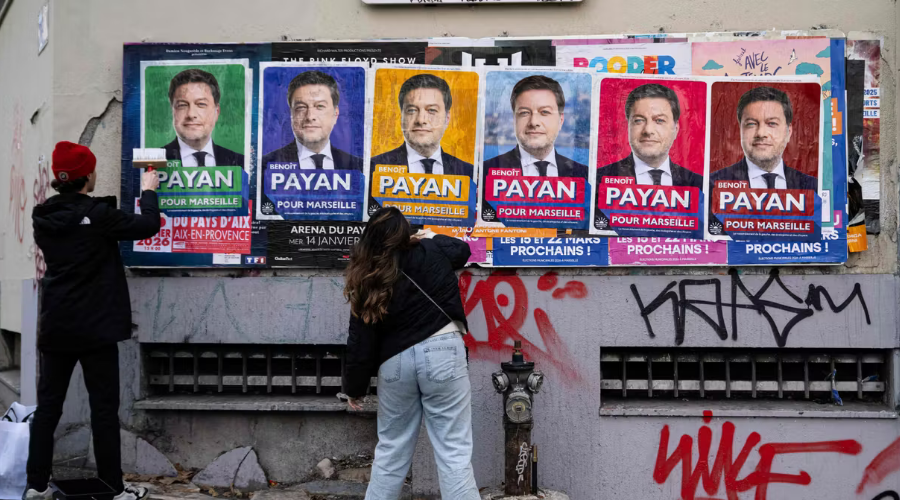
The France elections of 2026 have become one of the most closely watched, interesting and unpredictable political events when it comes to Europe. After months and months of political chaos, uncertainty and economic pressures – the French voters are going towards the voting pools once again.
These elections will not just appoint a lawmaker but also determine the future of France and its role within the European nations.
Why are the France elections 2026 so important?
The France elections of 2026 come after a period of political instability which had resulted in the government struggling to pass key legislations because of multiple criticisms and being unable to decide.
President Emmanuel Macron’s administration had been receiving criticism already repeatedly – which has made it tougher for his government to run the nation.
Now, we can see the voters head back to the polling booths and cast their votes.
The opposition parties which are the Renaissance, National Rally, The Republicans, Socialist Party, La France Insoumise and the Greens are all competing at the France elections of 2026, and to take control of the National Assembly.
Understanding the Political Background
A lot of today’s debate about policies and administration is because of the French political crisis of 2026, which also caused issues and delays in budget spending, public spending, pension reforms and immigration policies.
Without a stable, structured and assertive parliamentary majority, President Macron’s government found it even tougher to implement any reforms – even if they wanted to. The opposition frequently challenged the government which led to legislative standstills.
Timeline of Key Events
| Date | Major Event |
| 2022 | Emmanuel Macron wins his second presidential term. |
| 2022-2025 | The government operates without a parliamentary majority mainly. |
| 2025 | Political disagreements intensify about reforms, immigration and budgets. |
| Early 2026 | The pressure grows for new elections amid the French political crisis 2026 |
| 2026 | French voters vote again during the France elections of 2026 |
The Macron Government in 2026
The future of the Macron government of 2026 became a central question that everyone was asking. Should the ineffectiveness of his government be blamed on him or be blamed on the opposition parties creating a legislative standstill?
President Emmanuel Macron is still one of Europe’s most influential leaders but his administration has not been able to keep the chaos outside the Parliament so far.
Multiple controversies, divided public opinions and a rise in the inflation have all led his popularity to decline and the French political crisis of 2026.
Some people argue that the Macron government of 2026 has strengthened France’s international standing, promoted green initiatives, increased economic competition and supported Ukraine too.
But the critics say that his government has become disconnected and has been relying too much on executive powers only.
Major Issues Driving the Election
There were a lot of issues that dominated the French elections of 2026 and its campaign.
Cost of Living
The inflation has definitely increased the overall cost of living and affected every single household in France.
People find it tough to cater for the rising food prices, energy costs and housing expenses because of which Macron lost most of his popularity.
Immigration
The immigration policies have been very divisive in France – with right wing parties fighting for border controls and left wing parties fighting for advocacy and humanitarian aid, it will impact this year’s France elections of 2026.
Economy
Another major factor that will drive the France elections of 2026, are the factors related to economic growth such as:
- Taxation
- Public debt
- Employment
- Public services
- Educational facilities and more
Climate policy
France has been shifting towards renewable energy and carbon reduction – while all the parties maintain different stances on how to ensure the transition is smooth, Macron’s administration has been getting a lot of criticism.
How the France Parliament vote works
The France Parliament Vote basically works by a two-round voting system which elects the members of the National Assembly. Those candidates that get selected in the first round may either win if it’s a clear majority or advance to a runoff.
This is when the most amount of coalitions between parties happen as well.
The outcome of France elections of 2026, will decide if the President can work with his own majority or if he will have to negotiate terms with the opposition now.
Voters are hoping that irrespective of the results, the administration should not come to a standstill because of differing views again.
Possible Election Outcomes
A government majority
For most voters, this is an ideal scenario. This will happen if there are enough seats to govern independently without the need for negotiating with the opposition.
This could speed up multiple processes, bills and decisions.
Coalition government
If there is no one party that has a majority, then negotiations for coalitions will start. Historically however, France has not been a fan of the coalition governments so it would be an uncertain result.
Hung Parliament
A divided parliament could just result in even more delays and longer legislative blockages than previously.
Each of these scenarios can influence the future of the Macron government of 2026.
Financial Market Reactions
Investors all around the world are currently keeping an eye on the France elections of 2026 because political uncertainty or lack thereof, will affect the markets, borrowing costs and investor confidence.
The international business in France are actually paying a lot of attention to the exact direction of the Macron government in 2026 and which direction it is leading towards when it comes to taxation, labor laws or industrial policy.
What happens after voting?
Once the France parliament vote is finished, then the official results will declare the winner.
Based on who wins, the government will have to choose whether to negotiate or form a coalition due to the France elections of 2026.
The results of the France parliament vote will end up deciding the future of France.




