
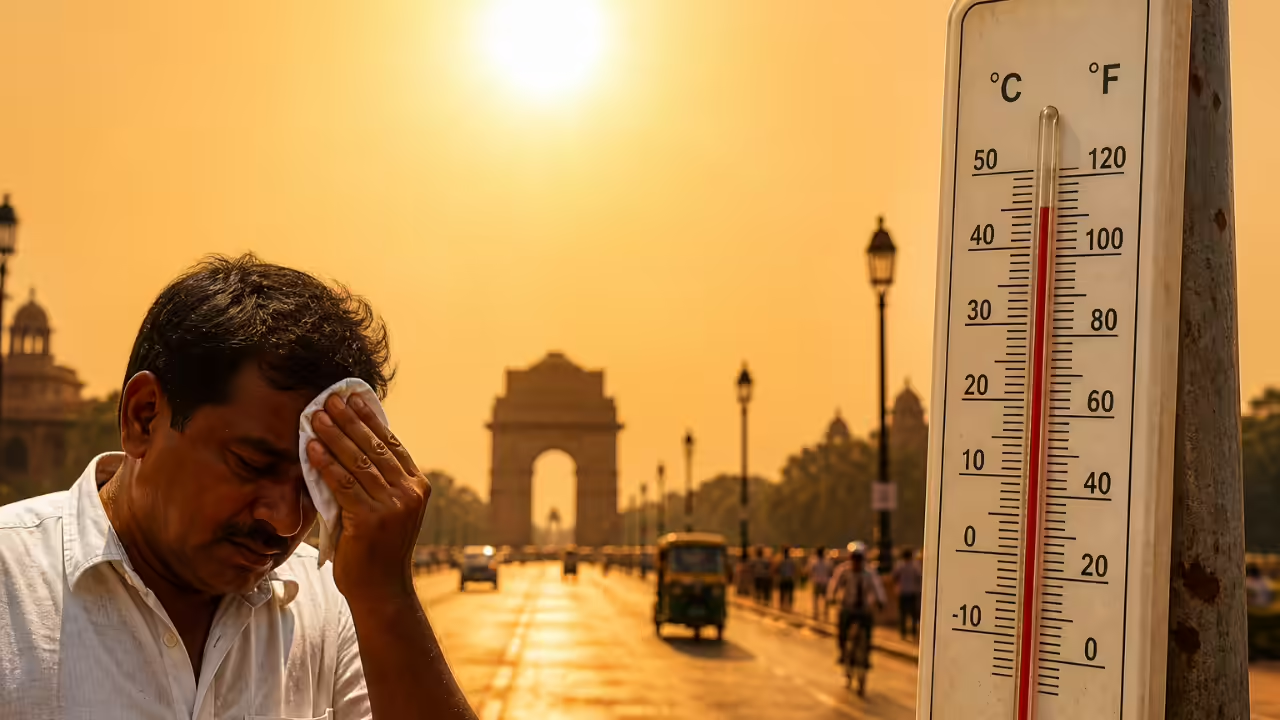
India is currently experiencing one of its harshest summers in 2026, with everyday feeling like you are stepping into a world made oven. It is facing temperatures rising up to 50 Celsius in the afternoons and the night times feeling like a hot box.
States such as Punjab, Uttar Pradesh, Delhi, Rajasthan and Haryana are amongst the worst-hit states that are recording all-time high humidity and heat levels. This has made the situation worse for day vendors, children who go to schools, animals on the streets and those with medical conditions.
Experts have said that the rising climate changes and pollution, reduced pre-monsoon rainfall and urban heat buildup are all worsening the heat wave crisis year by year.
Why is India hit so badly?
India gets strong sunlight during the summer because it is near the Tropic of Cancer and thus, the land heats quickly and dry wings intensify across Rajasthan.
As the country with the largest population index, India has 1.4 billion+ people to accommodate, especially in dense areas such as Delhi, Mumbai, Hyderabad and Bangalore – all of which requires concrete, asphalt roads, glass buildings and vehicular pollution.
This directly impacts the retention of heat.
The climate change and excess humidity in the coastal areas of India impact the heat retained between the ground and the stratosphere because of which the climate can get extremely hot.
Rising power and electricity demand:
The heatwave has created a greater pressure on India’s power system which has crossed a record high of 270 GW.
Some areas face consistent power outages in the dead of summer, making it even worse.
Reduced pre-monsoon rainfall:
India’s heat wave in 2026 is also caused by a reduction in pre-monsoon in many regions – so the natural way of cooling has been unsuccessful due to climate changes.
Which states are the worst hit?
Delhi – NCR
Delhi has always been one of the worst hit cities in summers and in winters. According to the MET department of India, the temperature is currently at 46.5C and will touch 50C soon.
There is an orange alert that was issued in May across areas like Noida, Gurugram, Ghaziabad and Faridabad to ensure people stay at home.
Haryana & Punjab:
The temperatures in Haryana and Punjab also increase because of their farming activities. The temperatures rise up to 49.0C and 52.0C sometimes.
Rohtak reported 47.0 C currently and in Bathinda, temperatures have crossed 46.0 C. The government has urged people to stay inside, keep out water and food for animals and reduce daily travel as much as possible.
Rajasthan and Uttar Pradesh:
Rajasthan remains one of India’s most traditional heatwave hotspots mainly because of its geography and lack of green cover. However, 2026 has made it even worse.
Uttar Pradesh records high temperatures as well because of dry winds and low rainfall that amplify the heat.
Maharashtra’s Vidarbha Region:
Cities such as Nagpur, Akola, Chandrapur, Wardhi and Amravati are all massively hit by the heatwaves while reporting temperatures as high as 45.0 C.
Night temperatures stay high which increases dehydration risk and heat exhaustion, both.
What are the health risks during a heatwave?
A heatwave has almost always claimed multiple lives during those 3-4 summer months – especially in India.
If you see these symptoms, you should go to the hospital or show it to a doctor.
Common heat-related illnesses are:
- Heat exhaustion which can lead to being unconscious
- Heat cramps
- Dehydration
- Heatstrokes
If you suddenly feel dizzy, have a rapid heartbeat, nausea, headache and confusion – you should definitely rest at home, load up with healthy fluids like lassi, ORS and water.
Please take care of the children in your family, elderly people, pregnant women, outdoor workers and people with heart and respiratory conditions.
Take care of the animals around you:
Even if you cannot afford to build small temporary shelters for them, try to leave out water and some food so they can survive this heatwave.
Tips to stay safe during this heatwave:
Stay hydrated:
You should drink water regularly even if you are not thirsty. Try consuming ORS, coconut water, lemon water and buttermilk.
Avoid having excessive caffeine and alcohol. That will help you from dehydration.
Avoid peak afternoon heat:
Stay indoors between the times of 12PM and 4PM and try not booking cabs as well.
Wear light, linen clothing:
Try wearing loose clothes, linen clothing articles and breathable fabrics that do not stick to your skin when you sweat.
Do not leave pets or people in cars even with windows down:
Even with the windows down, it is not safe to be inside a car for so long because temperatures rise quickly when outside.
Watch out for heatstroke symptoms:
Keep an eye out for those who might get a heatstroke and report to a doctor or the hospital as soon as possible to prevent any further damage.
How is the government and IMD preparing?
The government is preparing by setting up heatstroke wards, stocking ORS supplies, issuing work hour advisories and also opening cooling centres in some cities.
IMD on the other hand has expanded all of its alerts in districts and early warning systems along with heat index forecasting.
Every expert is telling people to stay home and use cooling methods to keep themselves safe.
What happens next?
Some are saying that relief may gradually come from the southwest monsoon but experts suggest that severe heat conditions can continue for weeks to come.
The main issue is about why these heat-waves are getting so bad in the last few years – the heatwaves are coming earlier, are longer and more humid now.
For now,staying indoors, keeping yourself cool and limiting heat exposure should be followed.
