
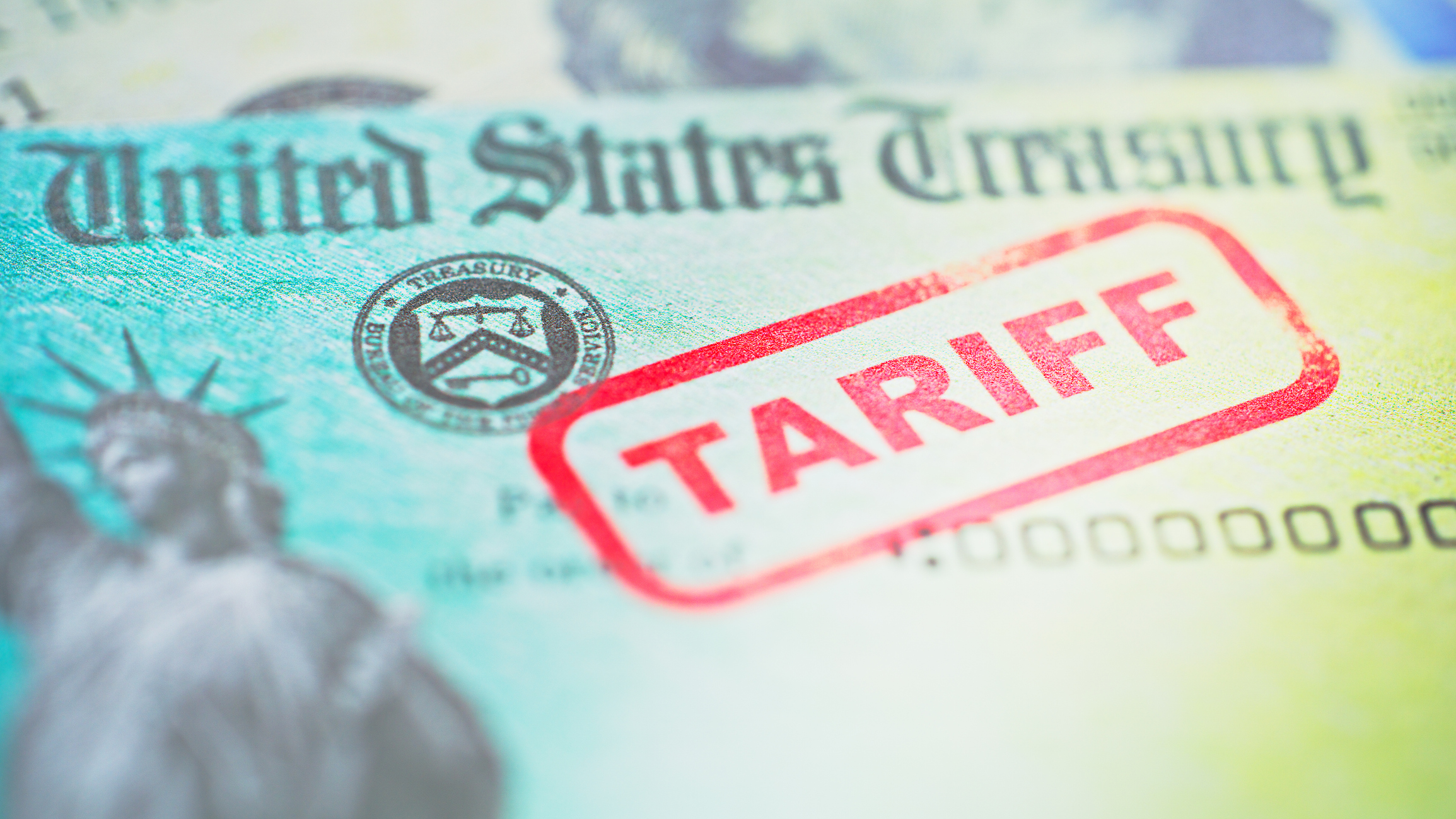
Tariffs are basically taxes that companies and governments pay on imported goods. Even though they have been used for thousands of years in one form or another – the Roman Empire Trade System was very different from what the tariff systems are around the world – too political. By the middle ages, kingdoms and empires were using tariffs through charging merchants especially those on the Silk Road Trade Network.
By the American Revolution Era, these tariffs generated anger and revolts in the American colonies and they finally resisted the British economic control. However, the tariffs have changed according to the geo-political situation of the world. For example: after World War II many countries shifted towards freer trade to avoid any more economic conflict and to also let their own nations heal from the damage.
The conversation around how tariffs affect small businesses in 2026 is becoming so essential to almost every single company that works on a global scale and whichever company wishes to enter the international market – especially across the United States because of their tariffs on other nations (especially China).
For so many founders and entrepreneurs, the issue has become about profits and losses and the difference between people keeping their jobs vs having to be laid off. The ground reality of how tariffs affect small businesses in 2026 is being observed by people all across the world because there are higher supplier costs now, the profit margins are shrinking, there are delays in shipments because of the Strait of Hormuz and the prices for products and services have increased two-fold.
What are tariffs in actuality?
Before we understand how tariffs affect small businesses in 2026, let us just read about what they even are. A tariff like we mentioned above, is basically a tax on imported goods. But it is a heavy tax that is weighed down by political and economic pressures by the entire world.
When the US government increases tariffs on whatever products it imports from countries like China and Mexico, it is obvious that the cost of those products will increase.
Majorly governments do this to achieve a few things:
- If they want to protect their own domestic industries
- Whenever they want to encourage local manufacturing
- When they want to reduce foreign dependence
- Or whenever they want to pressurise other economies
Why are tariffs a major issue again in 2026?
So, one of the main ways how tariffs affect small businesses in 2026 is because trade policy has once again become extremely central to the United States of America and its politics. The renewed tariffs for 2026 are tied and linked to all the upheaval and chaos that is currently going on in the world. Whether it is geopolitical tensions like the USA increasing tariffs on China and blocking Iran’s companies, economic nationalism, manufacturing competitions or supply chain concerns. The critics have argued that this will and is already increasing inflation.
People are unable to buy products because of how expensive products and services have gotten – this is hurting smaller companies too because they are not being able to meet their profit margins anymore.
How will tariffs affect small businesses directly in 2026?
One of the biggest issues with how tariffs affect small businesses in 2026 is that these smaller companies are more exposed to any geo-political or economic change that happens in the country or the world. The smaller companies are more exposed to these sudden price increases where they cannot negotiate lower supplier rates or shift manufacturing quickly to make up for losses. They also cannot absorb those losses for long periods of time.
Rising product costs:
One of the clearest examples of how tariffs affect small business 2026 is the rising import costs which have affected multiple products ranging from electronics, packaging, furniture, textiles, raw materials and even machinery.
Let’s take an example to understand this better:
A small online retailer who imports furniture from overseas will now face a higher import tax, higher shipping costs and more expensive supplier contracts all at the time. This will inadvertently make this retailer increase his prices to meet these rising demands – the cost that we (the buyers) will have to pay.
Smaller profit margins:
Another major reason that this discussion around how tariffs affect small businesses in 2026 matters is because of profitability. Many small businesses do not break even till the end of their 2nd year – if we add the cost of taxes on top, the owners will face difficult choices. They will have to raise their own prices and accept lower profit margins for more than just a month (but maybe years) or, reduce their costs of running their business – which might interfere with quality of those products.
Inflation and consumer spending:
One important aspect of how tariffs affect small businesses in 2026 is due to inflation pressure. As the imported goods become more and more expensive, retail prices will rise and manufacturing will become costlier as well. This will create a situation where consumers will just reduce their spending capacity which then means even lesser profits for small businesses.
This is even more challenging for retail stores, e-commerce brands and more of product-based businesses.
Supply chain disruptions:
When tariffs are unstable, it directly impacts the suppliers and their distribution channels. So many businesses closed down or have not yet been able to recover from the losses incurred during the COVID-19 pandemic. Now tariffs are forcing these companies to rethink their suppliers, to diversify sourcing and to move production strategies so they can cope with these changes.
How are small businesses adapting to this then?
The growing concern around how tariffs affect small businesses 2026 is forcing these entrepreneurs to become more flexible and have less expectations at the same time. They are adapting by finding different suppliers, increasing their domestic sourcing instead of importing it and to reduce whatever unnecessary costs they can. They are also focusing on automating their operations so as to reduce employee costs and are working on generating stable income bases.
Critics believe that these tariffs will continue impacting these small businesses and hurt consumers because of the high costs. But the supporters say that this will protect American jobs and strengthen local industries so a step like this was needed.
So the main question now is – can these small businesses survive in an economy where all these global trade decisions are influenced by politics and hold the power to shape their realities?
