

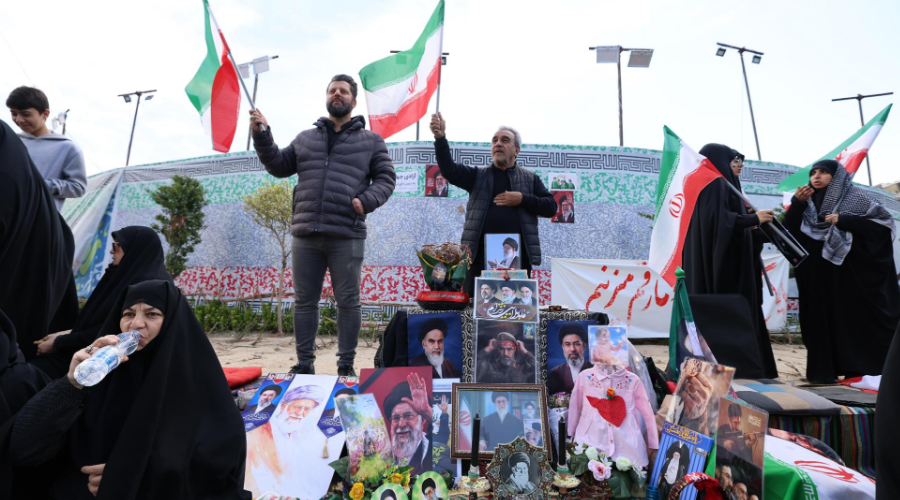
The Israel-Iran ceasefire of 2026 is one of the most closely analysed and watched geopolitical developments of this year. Even though large scale military operations have stopped for now, there is no hiding the fact that both sides lost multiple lives, infrastructure and assets.
In 2026, the agreement of a ceasefire still feels fragile because of all the ongoing diplomatic tensions in the middle east. The Israel-Iran ceasefire of 2026 did stop the immediate risk of more damage or a nuclear war, there are still multiple unresolved issues.
Israel-Iran ceasefire of 2026: Background on the Ceasefire
The Middle East ceasefire news was accepted as a positive outcome but the unresolved issues still make the situation fragile.
After multiple months of military escalation from both the sides which involved Israel, Iran and the United States of America, a ceasefire decision was reached in April 2026.
The agreement aimed to:
- Stop all the direct military attacks on both sides
- Reduce the risk of regional escalation especially in the Middle East
- Protect critical energy infrastructure
- Create a better and more diplomatic space for negotiations between the three
- Open discussions on nuclear and regional security issues again
The Israel-Iran ceasefire of 2026 finally reduced the conflicts and fighting but the three nations have not yet come to a conclusion about these.
Latest Israel-Iran ceasefire of 2026 Developments
Ceasefire is holding; tensions continue
According to all the Israel-Iran conflict updates, neither Israel nor Iran have broken the ceasefire and returned to full-scale war again.
The governments on both ends are continuing their negotiations and exchanging strong political rhetoric but have not yet reached a conclusion.
Officials from both nations have said that any future attacks will be seen as a sign of war and trigger military action all over again after the Israel-Iran ceasefire of 2026.
Diplomatic talks have stalled
Everyone knew that the Israel-Iran ceasefire of 2026 would not automatically de-escalate the whole situation, but negotiating has been more difficult than one can imagine.
The key issues which are posing as a challenge have been:
- Iran’s nuclear program
- International sanctions put by the US
- Security guarantees
- Maritime navigation in the Strait of Hormuz
- Regional proxy conflicts
Straight of Hormuz is a flashpoint
Iran-Israel’s latest updates tell us that the Strait of Hormuz is still one of the region’s most sensitive security concerns and most discussed during these negotiations.
Neither Israel, nor the US want the Strait to be blocked by Iran again which caused a global halt of multiple products from reaching their respective destinations.
One of the biggest reasons for the Israel-Iran ceasefire of 2026 has been the disruption of oil and LNG exports because of the blockage.
Leadership changes have added uncertainty
The joint mission of the US-Israel which resulted in Iran’s supreme leader’s death, has resulted in bad blood, uncertain times and unpredictable diplomatic decisions.
While the Israel-Iran ceasefire of 2026 is a good thing for now, these changes have added additional uncertainty and fear about the future.
What does the Israel-Iran ceasefire of 2026 mean for the Middle East?
According to the Middle East news, the ceasefire has currently lowered the risk of a direct regional war, but there is still some anxiety about the broader security environment.
Some of the biggest issues that the Middle East faces even after the Israel-Iran ceasefire of 2026, are:
- Israeli-Iranian rivalry
- Hezbollah’s activities in Lebanon
- Security conditions in Gaza
- Maritime security in the Gulf
- U.S. military’s presence in the region
Global economic impact of the Israel-Iran ceasefire of 2026
Energy Markets
The Middle East is central for all the major global supplies all over the world. If any escalation happens again, then it will directly affect:
- Oil exports
- LNG shipments
- Shipping insurance costs
- Global fuel prices
The Middle East’s ceasefire news has stabilized the markets for now.
Financial Markets
Extensive periods of heightened regional tension will lead to multiple financial markets crashing, which forces investors towards safe-haven assets such as:
- Gold
- U,S, treasury securities
- The U.S. dollar
The Israel-Iran’s conflict update also led to an increase in the cost of these assets.
International Trade
The Strait of Hormuz handles a huge share of the global oil exports – which is why the Israel-Iran ceasefire of 2026 was a blessing for many of those nations that depend on these exports.
Any future blockades can directly lead to:
- A disruption in shipping schedules
- Freight costs
- Supply chains
- Inflation in energy-importing countries
What are the risks that can threaten the Israel-Iran ceasefire of 2026?
There are multiple different factors that can affect the Israel-Iran ceasefire of 2026:
- If there are any military miscalculations
- If there are any missile or drone attacks from either side
- Any proxy conflicts
- Maritime escalations can also cause problems
- Nuclear negotiations breaking down
- Domestic political pressures
What happens next?
Over the next few months, while discussions are unpredictable, the main attention will be on:
- If both the nations are reviewing all decisions and negotiations in a diplomatic way
- Maritime security arrangements
- Nuclear discussions, especially from Iran’s end
- Regional security cooperation
The Israel-Iran ceasefire of 2026 has reduced the immediate risk of any wider conflicts but it has not yet resolved the disputes that have been going on since decades. The Middle East ceasefire news is one of the most important geopolitical situations this year where the next few months can determine the future of multiple nations.


