



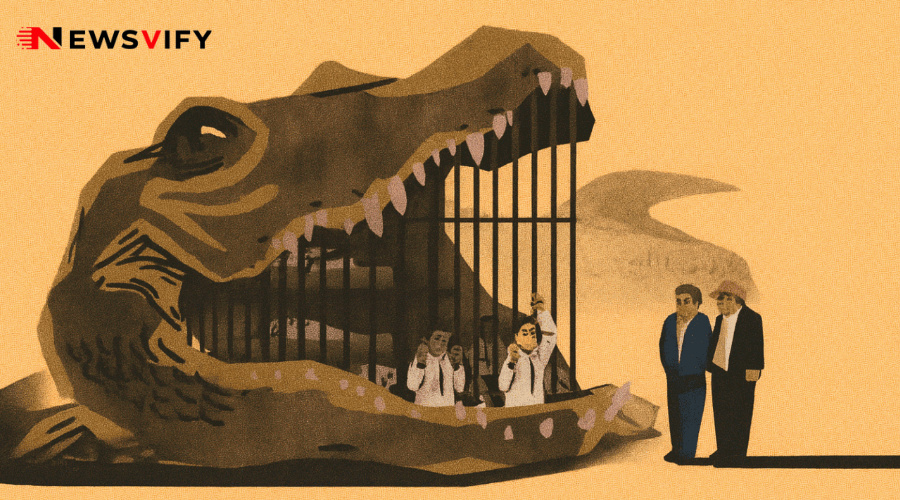
country. Built in a matter of days and dismantled less than twelve months later, the facility nicknamed “Alligator Alcatraz” turned into a flashpoint in the national fight over immigration enforcement — and a case study in how quickly a state can move when it decides to act. Millions of people searched the name without knowing exactly what it was or what happened there. Here’s a clear, factual rundown of where the nickname came from, how the site operated, why it drew lawsuits from day one, and why Florida ultimately shut it down.
What Was Alligator Alcatraz?
The facility’s official name is the South Florida Detention Facility, built at the Dade-Collier Training and Transition Airport inside Big Cypress National Preserve, near Ochopee, Florida. It opened to its first detainees around July 1–3, 2025, and was run by the Florida Division of Emergency Management in partnership with the U.S. Department of Homeland Security (DHS) and Immigration and Customs Enforcement (ICE) — making it the first state-run site in the country built specifically to hold federal immigration detainees.
The nickname, coined by Florida Attorney General James Uthmeier before the site even opened, referenced its location: a swampy, remote patch of the Everglades surrounded by alligators and pythons, with an airstrip on-site for direct transport. Supporters framed that isolation as a security and deterrence feature; critics said it was designed to intimidate.
Quick Facts
| Detail | Information |
| Location | Big Cypress National Preserve, Ochopee, Florida |
| Opened | July 2025 |
| Closed | June 2026 |
| Run by | Florida Division of Emergency Management, with DHS/ICE |
| Reported population | Nearly 1,400 detainees as of April 2026 (per ICE data) |
| Reported cost | Roughly $1.2 million per day in reported operating (“burn”) rate |
Why Florida Built It
The facility was part of the second Trump administration’s broader push to expand immigration detention capacity nationwide. Florida positioned itself as an aggressive enforcement partner, using state emergency powers to fast-track construction of tents, trailers, and temporary structures around the existing airstrip in a matter of days. President Trump toured the site alongside Gov. Ron DeSantis and then-DHS Secretary Kristi Noem around its official opening — a moment the administration used to showcase what it called a national model for ramping up detention and removals, tied into Trump’s broader immigration crackdown.
The Legal and Environmental Fight
Opposition started before the gates opened. Environmental groups and the Miccosukee Tribe sued, arguing that Florida built and expanded the site without the required permits or environmental review in an ecologically sensitive national preserve. Separately, immigrant-rights lawyers and human rights organizations, including a Human Rights Watch report published in the summer of 2025, raised concerns about conditions inside — overcrowding, heat, and treatment of detainees among them. A judge temporarily halted further construction at one point while the litigation played out.
The site’s imagery — a detention camp surrounded by dangerous wildlife, marketed with a prison-movie nickname — drew intense national media coverage and became a recurring talking point in the wider debate over the scale and tone of immigration enforcement.
Why It Closed in June 2026
Gov. DeSantis announced the facility’s closure in June 2026, less than a year after it opened. He described it as an “emergency solution” that was always meant to be temporary — built to cover a gap in detention capacity while DHS secured longer-term facilities elsewhere. “DHS has more capacity to be able to handle these folks,” DeSantis said, framing the closure as the plan working as intended rather than a retreat.
- Detainees were transferred out over roughly a week, moved to facilities in South Florida, California, Arizona, Louisiana, and Texas.
- Attorneys and families reportedly weren’t told where detainees had gone until after the transfers were largely complete, drawing further criticism from immigrant-rights lawyers.
- The ACLU’s National Prison Project, which had sued over the facility, called the closure a win for the litigation brought by advocates and the Miccosukee Tribe.
- DHS said Florida would continue playing a significant role in immigration enforcement even without this specific site, and that the airstrip itself would remain in use.
What It Means for US Immigration Policy Going Forward
Alligator Alcatraz’s short life illustrates a broader pattern in 2025–2026: states volunteering infrastructure and funding to expand detention capacity faster than the federal government could build it alone, with courts and advocacy groups acting as the main check on how that capacity gets used. With federal government’s own budget fights — including the standoffs over funding, and the funding pressure detailed in DOGE Government Cuts 2026 — detention funding and capacity are likely to stay a live issue heading into the 2026 midterms, even with this specific facility now closed.
Conclusion
Alligator Alcatraz opened as a fast, controversial answer to a real capacity problem in US immigration enforcement — and closed just as quickly once officials said that gap had been filled elsewhere. The facility is gone, but the underlying questions it raised about detention capacity, oversight, and how far states should go to support federal enforcement are still very much part of the national conversation as the country heads deeper into a contentious midterm election year.




